 Save
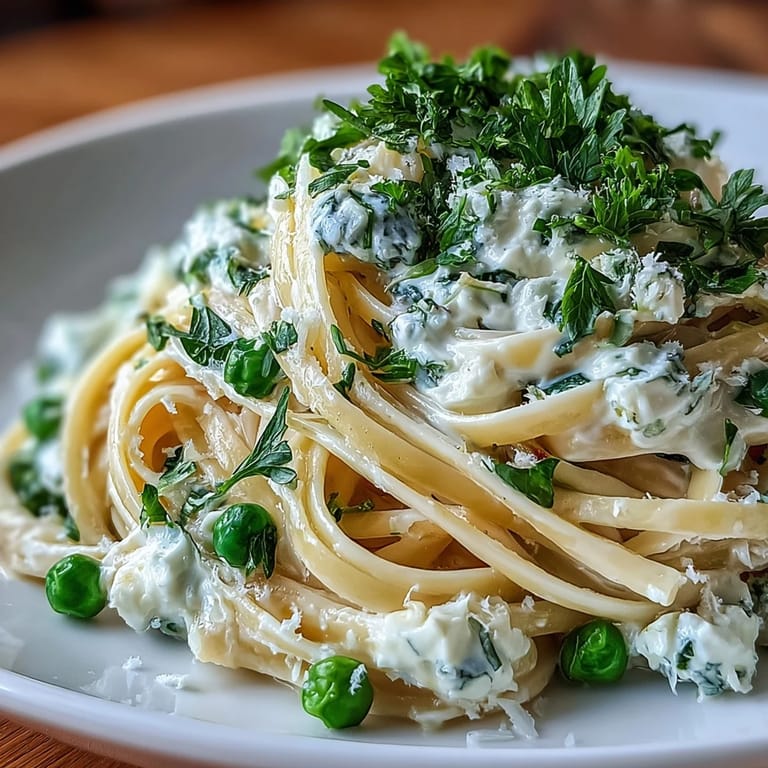
Save The first time I made ricotta and lemon linguine with peas, the kitchen felt alive with the scent of lemon zest and garlic sizzling in olive oil. My playlist was on, windows cracked open to let in the late spring breeze, and the peas rolled across the counter like little green beads as I measured them out. Cooking this pasta always brings a certain cheer—the ricotta transforms into creamy clouds, and the bright flavors hint at the season’s shift. I honestly stumbled upon a version of this dish while hunting for something lighter on a weeknight, and tweaking it became a ritual. It’s a dish that practically encourages you to taste, adjust, and savor, rather than stress about exactness.
I remember serving this linguine to a group of friends on a rainy afternoon, just as the conversation turned from travel stories to favorite movies. One friend, usually wary of ricotta, ended up scraping her bowl clean and asking for seconds, which made me grin behind the serving spoon. The table was dotted with extra lemon wedges, laughter, and strands of pasta tangled on forks—a messy, happy moment where this dish became the centerpiece. It’s the kind of meal that breaks the ice and nudges everyone toward second helpings. Now I associate spring pasta with easy afternoons and unexpected compliments.
Ingredients
- Linguine: Buy the best you can find—al dente texture is crucial, and pasta water is pure gold for the sauce.
- Fresh or Frozen Peas: Sweet, green peas add bite and color; the fresher, the brighter the flavor, but frozen work beautifully in a pinch.
- Garlic: Minced finely and sautéed quickly so it’s aromatic, never bitter; I learned it’s best not to walk away during this step.
- Lemon Zest and Juice: Unwaxed lemons are essential for zesting, and the juice wakes up the ricotta beautifully.
- Fresh Parsley: Brings a clean finish and a pop of green; chop it just before sprinkling so it doesn’t wilt.
- Ricotta Cheese: Full-fat ricotta yields the creamiest sauce, but let it come to room temperature for easy mixing.
- Parmesan Cheese: Grate your own—pre-grated never melts as smoothly and you miss out on that nutty kick.
- Extra-Virgin Olive Oil: The base of the flavor—go for fruity, robust varieties for richness.
- Salt: Season the pasta water generously and taste the sauce as you go; start conservative, adjust after tossing everything together.
- Black Pepper: Freshly ground gives bursts of aroma; a little goes a long way with lemon and ricotta.
Tired of Takeout? 🥡
Get 10 meals you can make faster than delivery arrives. Seriously.
One email. No spam. Unsubscribe anytime.
Instructions
- Boil and Cook Pasta:
- Fill your largest pot with salted water and let it roar up to a boil; drop in the linguine and stir occasionally so nothing stubbornly sticks together.
- Sauté Garlic:
- While pasta cooks, warm olive oil in a skillet and add garlic—listen for the sizzle and smell the mellowing aroma; a minute is just right, don’t let it brown.
- Cook Peas:
- Toss in the peas and watch them turn brighter as they soften; stir gently and let them heat through (frozen peas need an extra minute, but stay vivid).
- Make Ricotta Sauce:
- In a mixing bowl, whisk ricotta, Parmesan, lemon zest and juice, salt, and pepper until smooth and creamy; it should smell tangy and feel slightly thick.
- Toss Everything Together:
- Add drained pasta and cooked peas (with all the garlicy oil) to the ricotta bowl; use tongs to gently combine, drizzling reserved pasta water until the sauce is glossy and clings just right.
- Finish and Serve:
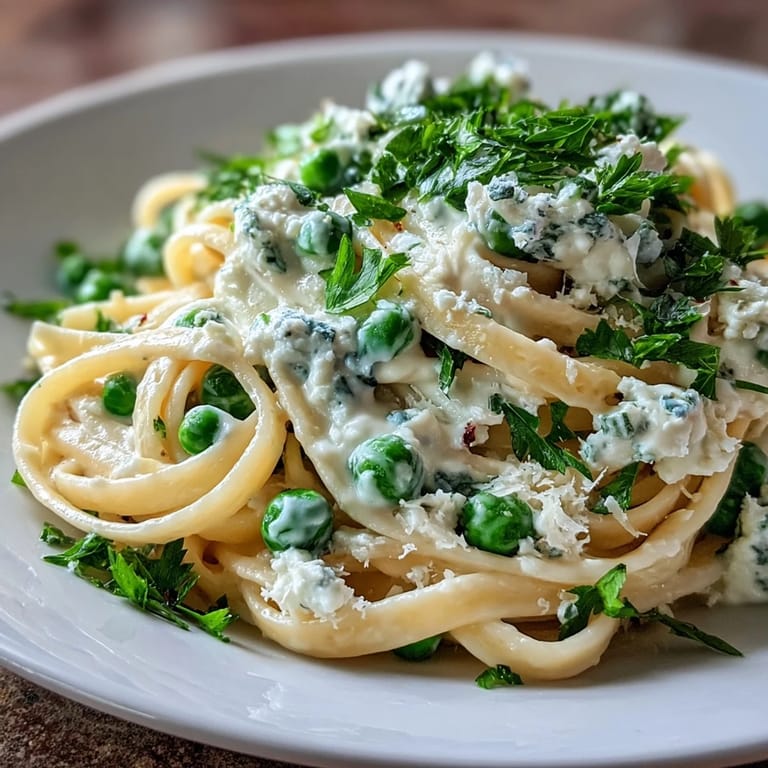
- Sprinkle with parsley, adjust salt and pepper, and serve immediately—extra Parmesan or lemon zest makes each bite brighter.
 Save
Save One Saturday lunch, my younger sibling declared this pasta was "sunshine in a bowl" and insisted we make it for our parents, who ended up loving it just as much. That moment made me realize how food can tie together seasons and moods, and how a bright, creamy pasta can elevate even an ordinary meal into something memorable. It’s since become a family staple, signaling the start of spring.
Ricotta, Lemon, and Peas: Secrets for Seasonality
Don’t be shy about adding ingredients based on what’s in season—sometimes I swap in tender asparagus or toss a handful of arugula for more green, and the dish still feels lively. The lemon zest genuinely transforms the flavor and makes the ricotta taste lighter and fresher, while the peas add a crisp sweetness that’s always welcome. If you’ve got leftover herbs, sprinkle them liberally; flavor is about balance, not precision.
Perfect Pasta Texture Every Time
Setting a timer and testing a noodle a minute early helps avoid mush—al dente linguine gives the best base for the creamy sauce. Reserving pasta water seems fussy, but it’s the magic ingredient that pulls everything together. Using tongs rather than a spoon makes tossing the pasta smoother and less messy.
Finishing Touches to Make It Your Own
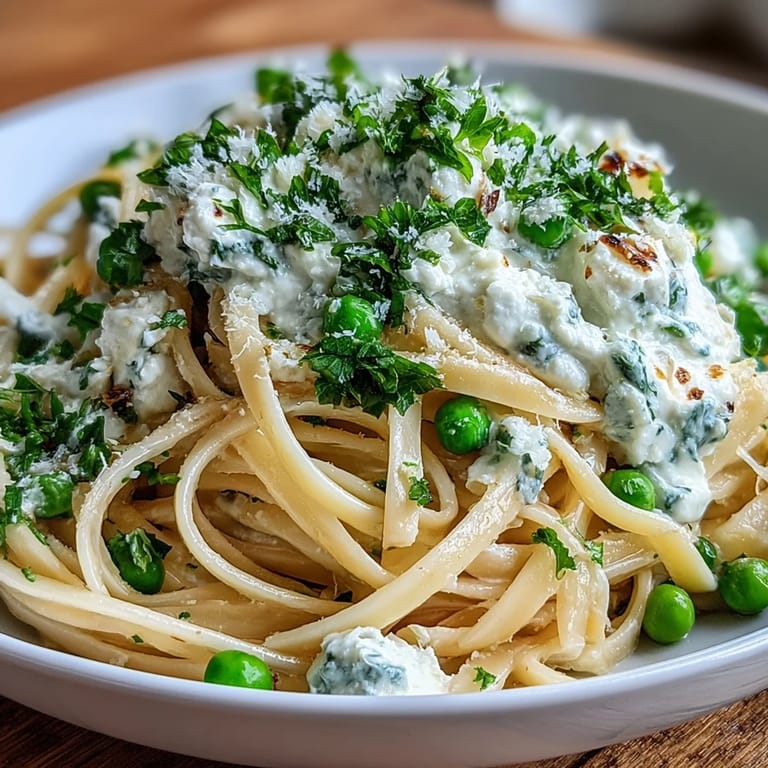
The final flourish matters: a dusting of Parmesan, extra zest, or some cracked pepper elevates each serving and makes it feel special. Taste before adding more salt, since all the cheeses can be surprisingly assertive. This is the moment when your bowl should be fragrant, creamy, and glowing with green and yellow hues.
- If you want leftovers, store pasta separately from the sauce to avoid clumps.
- Try a splash of white wine in the sauce for extra depth during mixing.
- Never forget to double-check your lemon for seeds before squeezing.
 Save
Save I hope every forkful of this pasta reminds you to embrace spring’s vibrant flavors—the simpler the preparation, the brighter the results. Enjoy sharing it with friends, family, or anyone who needs a little lift.
Recipe FAQs
- → How can I make the sauce creamier?
Add reserved pasta water gradually while tossing to achieve a silky, creamy sauce that coats the linguine.
- → Can I use a different cheese instead of ricotta?
Mascarpone is a great substitute for a richer texture, or try mixing in cream cheese for extra smoothness.
- → Is frozen peas suitable for this dish?
Yes, frozen peas can be used; cook slightly longer until they're tender and bright green.
- → What pasta shapes work best?
Linguine is ideal, but tagliatelle or spaghetti also complement the creamy sauce well.
- → Which wine pairs well with this meal?
A chilled Sauvignon Blanc or Pinot Grigio enhances the lemon and creamy notes beautifully.
- → Can I add other vegetables?
Absolutely. Spinach or arugula can be added with the peas for more color and freshness.